Call toll free 1-800-771-7702
Click here to send us an email
We ship anywhere in the USA and Canada!
For international orders please call 702-413-7201
All Sales are in US Dollars
Ben's Discount Supply Co. Inc
1-800-771-7702 (702) 413-7201
Fax: 702-974-0566
support@bensdiscountsupply.com
Open 24 hrs for Online orders
Phone-in order desk /customer service line 800-771-7702
Open Mon-Fri 7am-4pm Pacific Time
(Sometimes Saturday and Sunday)
Pickup Locations in California, Ohio, Oregon, Michigan, Indiana,
Illinois, Texas and New York
(All Products are not available in all locations.)
Call for availability in your area. 1-800-771-7702
Most Popular Canada sales locations: Sudbury, Kamloops, Vancouver, Toronto, and Montreal
Ben's Blog Articles and random thoughts from the Chairman and CEO
Latest Entry:
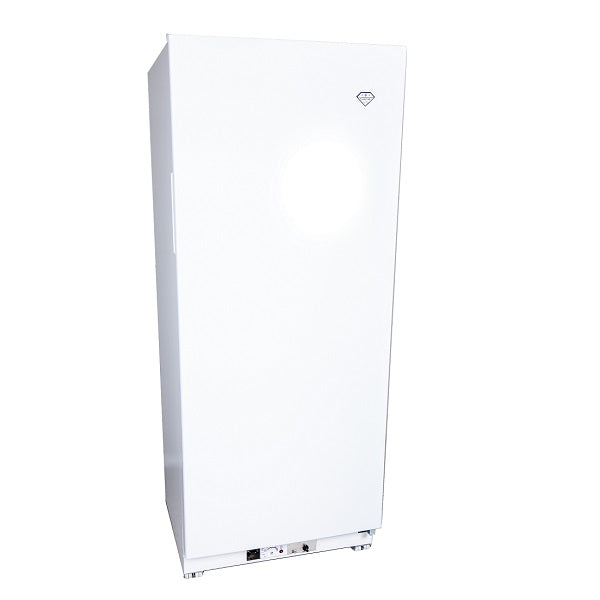
Using Propane Refrigerators and Freezers During Natural Disasters
and Power Failures By: Ben Campbell Posted December 4, 2008
The Case That Can Be Made For Owning Propane Appliances
Recent hurricanes, floods, and other weather-related and natural disasters have thrust the importance of emergency preparedness in extreme situations into the spotlight. Events such as Hurricane Katrina in 2005, Hurricane Ike in 2008, and other disasters completely knocked out electrical power in a number of cities. This left thousands of people without electricity for days, weeks and in some cases, even longer. The 2004 hurricanes in Florida alone were responsible for some residents being without electricity for as long as 22 days.
Restoring electricity to homes and businesses affected by severe storms, earthquakes, and other natural disasters can take long periods of time - making it difficult to restore power and to safely and properly store food and other items such as medications that must stay cool. Without electricity, conventional refrigerators and freezers can only maintain temperatures low enough to preserve food for a short period of time. This leads to economic concerns and potential health problems that are created by spoilage of food and medications that require refrigeration. Consumers can make sure their supplies of food and water stay cool and safe if they use appliances that are powered by clean burning propane fuel. Today these dependable home appliances have modern designs and construction, and they are just as streamlined in appearance as their electric counterparts.
Benefits of Propane Refrigerators and Freezers
Refrigerators and freezers that are powered by propane require no electricity to do their jobs. These propane appliances are not affected by electrical power losses, even lengthy ones resulting from a hurricane, earthquake, or other catastrophic event. Having a propane-powered refrigerator or freezer can be a valuable part of your family's own emergency preparations. This will make it possible for you to always have a way to keep your food supplies and medications cold in any type of situation. Not only can you prevent food spoilage, you can also have ice and cold water available. Propane fuel is also a highly portable and versatile product, making it ideal for use in emergency settings.
During Hurricane Katrina, which devastated much of the Gulf Coast, propane was plentiful, even when the demand created by vehicles and emergency power generators exhausted the gasoline and diesel supplies. Complicating the situation further, the storm contaminated, or damaged, many of the natural gas lines. For some Gulf Coast homeowners and emergency workers, propane generators and other appliances were the only source of energy for homes, hospitals, relief centers, and other facilities. These appliances were always operational and allowed people to use them to safely store food and supplies. Since the Katrina disaster, propane and propane-powered appliances have become an important part of emergency preparedness planning on many fronts.
Today's Modern Propane Appliances
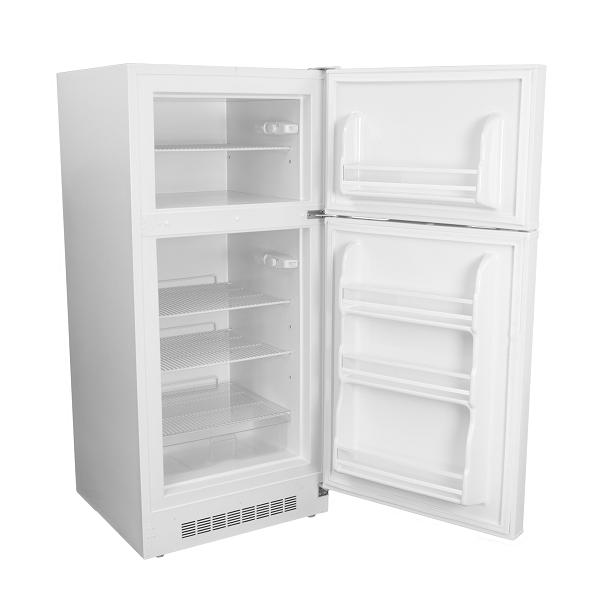
Refrigeration units that are powered by propane sources have been used for years in recreational vehicles, remote cabins, and off-grid locations. These appliances are quiet and dependable, and they need no compressors or other moving parts that wear out and eventually require replacing. The refrigerators have the same interior features that are normally available in regular, electricity-powered units, including removable shelves and door bins, vegetable crispers, and battery-powered interior lights.
Basics of Propane Appliances
Propane refrigerators use ammonia as the coolant and they only have 5 main, working parts. The generator is the part that produces the ammonia gas for cooling purposes, while the separator is able to pull the ammonia gas from water. The condenser is responsible for cooling the hot ammonia gas and then will condense it to create liquid ammonia. This liquid is then sent through the evaporator unit, which will create the vapors that are used to create cold temperatures inside the refrigeration unit. The other main unit is the part that absorbs the ammonia gas in the water.
Cleaning and Care
Owners of these propane refrigerators and freezers must remember to properly clean and maintain these appliances. If these appliances are used inside a home, they may need to be vented to the outside if adequate ventilation is not present. There is a chance that carbon dioxide can be emitted if the refrigerator burner is blocked or not able to burn all of the fuel. . If an owner uses proper care and maintenance to keep these appliances in approved working order, these emissions will pose no problem.
Using a propane refrigeration unit requires that the burners be routinely cleaned and inspected. It is usually sufficient to do this once a year. Today's propane appliances are designed to work efficiently and cleanly, and they create very few problems in homes where they are installed properly and subjected to regular care and maintenance.
Final Tips
In a disaster or emergency situation, owners of propane appliances also should remember to properly secure their propane tanks to prevent them from being toppled or blown about. Also keep your propane tanks in good condition and check for any leaks or rust.
Ben Campbell Chairman and CEO
www.BensDiscountSupply.com
Copyright 2008
PROPANE REFRIGERATION
An article by James Miller copyright 2006-2007-2008
HISTORY OF PROPANE REFRIGERATION
The ammonia refrigeration cooling system which is also known as an absorption cooling system was first discovered in 1824 by Michael Faraday who tried to liquefy gasses which, among them was an ammonia gas This experiment was used in taking ammonia vapor in a glass tube with silver chloride in it and allowing it to absorb the silver chloride powder. He then heated the chloride- ammonia mixture and watched the ammonia liquid evaporate out of the silver chloride and become cold.
This experiment later was the birth of the ammonia absorption cooling systems [HEREAFTER CALLED PROPANE REFRIGERATORS]. There has been much advancement in the understanding of this type of refrigeration in our time and age. There is also not much information given on this type of refrigeration until the early 1930's when the SERVEL propane refrigerators were invented.
At the time of this invention there was not much refrigeration available on the market. Therefore, this became the most popular refrigeration sold in large cities by the 10's of thousands for apartments, hotels, and any other application known. People had only a few other options available for refrigeration at that time.
Since then, refrigeration has greatly advanced with electric refrigerators, solar 12V DC refrigerators and propane gas refrigerators. These refrigerators are always being improved to add more efficiency and use less energy with less money. Many people still resort to propane absorption refrigeration systems for non-electric applications.
If you would like to shop for a propane gas refrigerator or freezer now CLICK HERE
FUNCTIONS OF A PROPANE REFRIGERATOR
How a Propane Refrigerator Works:
An absorption ammonia refrigerator still functions on the same basis as Michael Faraday had started with. The mixture these cooling systems use is a mixture of anhydrous ammonia, distilled water, and hydrogen vapor.
The ammonia and water is heated by propane flame (which is why it is called a propane refrigerator) thus causing it to vaporize into a steam through the perk tube. (see illustration)

If you would like to shop for a propane gas refrigerator or freezer now CLICK HERE
The process here is similar to a coffee percolator. The inner tube (perk tube) in the boiler emits steam and water bubbles moving upward. Since the ammonia is lighter than water, the ammonia will turn into steam sooner than the water will. This ammonia steam is pushed up into a condenser by the hydrogen pressure while the water falls down into the outer tube and is pushed into the absorber tubes which then returns to the mixing tank (absorber tank). As the ammonia steam is moving upward through the rectifier and on into the condenser tubes it again turns into a rich ammonia liquid. This rich ammonia liquid is pushed into the top of the evaporator tubing. After it is in the evaporator it meets the hydrogen gas moving up through the inner tube inside the evaporator. This hydrogen gas absorbs the rich ammonia. As the ammonia meets this hydrogen gas in the evaporator it creates a chemical reaction. This reaction evaporates the ammonia thus making it extremely cold at that point. This is what is called absorbing the heat, or better stated, removing the heat from the refrigerator box.
In the mean time, the water is then being pushed backwards into the absorber coils and drops downward into the absorber tank. While this is happening, the hydrogen gas passes upward through the absorber coils and "catches" any ammonia left in the weak water that is falling downward and carries it up to the top of the evaporation system and drops it into the outer tube of the evaporator. It then flows downward in a mist form causing it to become extremely cold. As it falls down, the rich ammonia returns to the absorber tank (mixing tank) and mixes with the weak water which allows it to continue with it's cycle all over again.
These ammonia absorption refrigerators are charged through a charging station similar to the one in the diagram shown:

This sight glass is used to measure the amount of ammonia and distilled water that is inserted into the cooling unit.
If you would like to shop for a propane gas refrigerator or freezer now CLICK HERE
An ammonia absorption cooling system is a unique design invented so a person can operate independently by using either a propane, natural gas, or butane burner to heat the ammonia solution. Earlier on there were also many cooling units that used a kerosene burner to heat the solution. This type of refrigerator is still available on the market but in a much more limited supply.
COMPARISONS
In times past, The SERVEL built in the 1930's - 1950's lasted for generations due to the fact that their design was made with the intent to last a long time. In later times, the refrigeration units have become more streamlined with less heavy duty materials for lighter weight and still have quality performance. An average propane gas refrigerator today will last approximately 15 years. By that time the box will be looking quite tattered under normall use.
The older style SERVELS were much heavier in weight than the newer style ammonia cooling systems are. These older units weighed as much as 400-500 lbs. The newer refrigerators weigh anywhere from 150-275 lbs. This again is due to lighter materials and higher quality of workmanship. There is also a larger amount of selection available on the market to choose from today compared to 50 years ago.
When SERVEL in Evansville, Indiana sold the business to ELECTROLUX, ELECTROLUX then sold the business to DOMETIC Corp. in Sweden.
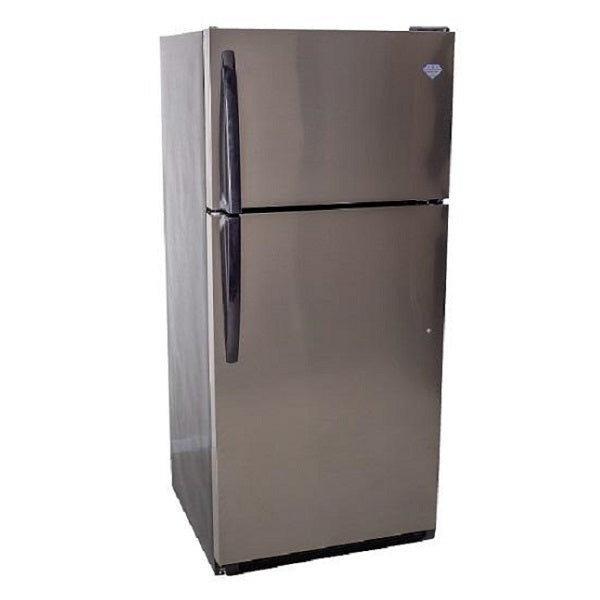
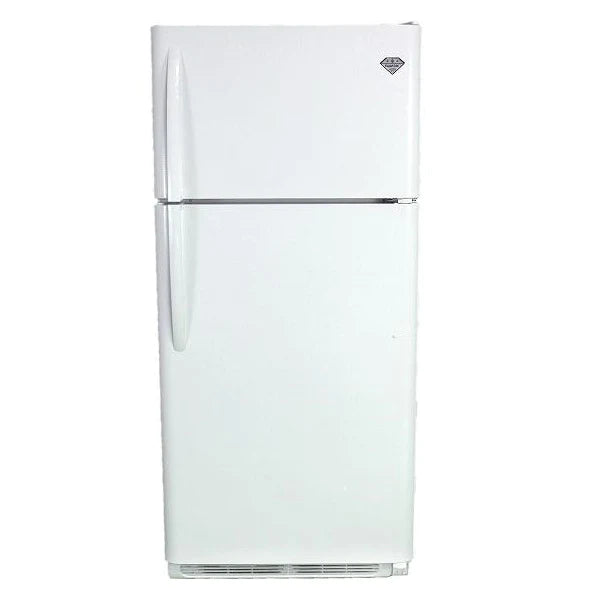
The DIAMOND propane refrigerators are one of the newer types of refrigeration units available on the market today. These units have been produced since 2002. They are now one of the more readily available refrigerators on the market.
As was mentioned before, an average absorption cooling unit today runs for 10-15 years. The cause of the difference in length of performance compared to the older style SERVELS is based on one primary thing. When SERVEL built those huge old refrigerators, the materials used on the cooling units was so much heavier and thicker, thus adding all the extra weight, they hardly ever rusted out. The evaporator also was galvanized to prevent rusting. Rusting is a primary cause for leakage in the cooling unit itself.
There are times in hard, heavy use that an ammonia absorption refrigerator will block up in the boiler section (perk tube) in 5-10 years. When this happens the refrigerator can be recharged again. This is done by first removing the blockage in the perk tube. This is done by first removing the ammonia solution and then removing the blockage in the perk tube. When the unit is repaired and welded together, the unit is recharged again with new solution.
If you would like to shop for a propane gas refrigerator or freezer now CLICK HERE
EFFICIENCY
The gas consumption on a modern day propane refrigerator is less than half the amount of an older SERVEL. This is due to the designing of this cooling system. An average amount of propane used in the older SERVELS was 3-4 lbs. per day. This is appriximately 3/4 of a gallon of propane per day. The average amount used by a newer style propane refrigerator is 1 to 1 1/2 lbs. per day - approximately 1/3 gallon per day.
The improvements in performance made in the newer style refrigerators such as the DIAMOND (built from the mid 1970's to today), is credited wholly to the improved engineering on absorption cooling systems.
VENTING
The older SERVELS with their larger burners have been noted to burn much more dirty than the modern day refrigerators. Since the modern day propane refrigerators use only 1/2 the amount of fuel to operate, they are also noted to burn much cleaner. These unburned gas fumes are what we call carbon monoxide (CO) gas. When too much of this gas is emitted into a room, it will create CO poisoning if this level of CO is too high.
The older SERVELS built in the 1930's - 1950's were noted to emit up to 1500 parts per million (PPM) of CO gas fumes at the exhaust vent. If this would be emitted into a room 10' x 20', it would emit approzimately 300-400 PPM of CO into the building. This amount varies depending on the size of the room. This amount of CO is in the danger zone for exposure. It is highly rocommended to vent an older SERVEL because of this high level of CO emission. This is due mostly to the design of the burner setup The older SERVELS are not legal to operate in Canada and their use is discouraged in the USA. The government of the US has set up a system to reclaim these SERVEL refrigerators by paying the owner $100 plus the cost of disposal just to get them out of public use. Many people love the longevity of these refrigerators that have been in use for some 70 years and find it hard to part with them, but they are creating a hazard for themselves. This is why the government wants to dispose of these refrigerators. Any older style SERVEL refrigerators that are still in use can be disposed of by calling the SERVEL ACTION COMMITTEE at 1-800-782-7431.
Propane refrigerators built from the 1980's on are much cleaner to operate. On the average, these refrigerators will omit 20-30 PPM of CO at the exhaust vent tube, which omits approximately .001 PPM of CO in a room. The allowable amount of PPM of CO permitted in a living area is 50PPM. At this amount of CO in any given area, no one should ever need to worry about CO poisoning with a modern day propane refrigerator.
A modern propane refrigerator does not generally need to be vented to the outside.
If a homeowner is to box in his propane refrigerator in a kitchen with cabinets built over the top of the refrigerator and around the sides, it is always important to put a vent in the floor towards the back of the refrigerator and on top of the refrigerator for ventilation so that heat can escape from the cooling system. If this is not done, a refrigerator will overheat, thus causing it to lose efficiency in cooling.
If you would like to shop for a propane gas refrigerator or freezer now CLICK HERE
ADVANTAGES OF A PROPANE REFRIGERATOR
A propane refrigerator is an efficient way of cooling food when one is living off the power grid. Since there are no moving parts on a propane refrigerator, there are no parts to wear out. With the propane price at $1.859 per gallon, a refrigerator will cost approximately $0.60 a day to operate in warmer climates. In cooler climates such as in northern Canada, higher atitudes, etc, a refrigerator will operate at approximately $0.45 per day.With this amount of propane gas usage a person should be able to get 20 days of use with only a 20lb propane cylinder. This sure beats using a cooler and ice packs to carry to to your cabin every time you go there!
The initial cost to purchase a propane gas refrigerator is quite a bit higher than an electric refrigerator, but cheaper than a 12V DC refrigerator. To compare an electric refrigerator with a propane refrigerator is not comparing apples to apples. An electric and 12V DC refrigerator runs with freon and a compressor pump. A propane refrigerator operates with a propane gas flame to heat the ammonia and distilled water using hydrogen gas to circulate steam vapor, and liquid ammonia to cool it down. No electric lines, inverters or generators are used to power the refrigerator.
All propane refrigerators are hooked up with a 3/8" copper or flexible gas line to feed the gas.
IF I WERE TO PURCHASE A REFRIGERATOR WHICH WOULD I CHOOSE?
Most people may think it depends on what the application would be. This being true, I personally use a propane refrigerator at our house. If I were asked why, I would say that in order to live in a house off the grid, I still believe it would be most cost effective to operate a propane refrigerator in the long run. This is based on the amount of maintenance to operate a propane gas refrigerator vs a 12V DC refrigerator. Since there are no moving parts on a propane refrigerator, there are hardly any maintenance issues when using this type of refrigeration unit. Generally speaking, a propane refrigerator usually needs to be cleaned only twice a year by cleaning the burner area and flue tube. There is no compressor unit to go bad, and there are no batteries to charge.
SHOP FOR PROPANE REFRIGERATORS NOW -- CLICK HERE!
WHEN BUYING A PROPANE REFRIGERATOR
When buying a propane refrigerator one can choose from sizes ranging from 8 cubic feet capacity to 19 cu. ft.. Some refrigerators are also available in Bisque, Black, and Stainless Steel finishes. Miller Refrigeration manufactures the DIAMOND REFRIGERATORS which are available in the following sizes; 10 cu. ft.
13 cu. ft., 15 cu. ft., 17 cu. ft., and 19 cu. ft.. Also available from DIAMOND is an 18 cu. ft. All Refrigerator (no freezer compartment).
James Miller
Although every effort is made to ensure the accuracy of the information on this web site, mistakes may occur. Ben's Discount Supply Co. Inc. is not responsible for typographical errors in pricing or product specification inaccuracies on this web site. Prices are subject to change without notice. If you wish to confirm any information provided on this website please contact the manufacturer or email Sales@bensdiscountsupply.com or call 1-800-771-7702.We ship to all of the USA and Canada. For Alaska and Hawaii please call for shipping quotes
We Ship To All US States: Alabama, Alaska, Arizona, Arkansas, California, Colorado, Connecticut, Delaware, Florida, Georgia, Hawaii, Idaho, Illinois, Indiana, Iowa, Kansas, Kentucky, Louisiana, Maine, Maryland, Massachusetts, Michigan, Minnesota, Mississippi, Missouri, Montana, Nebraska, Nevada, New Hampshire, New Jersey, New Mexico, New York, North Carolina, North Dakota, Ohio, Oklahoma, Oregon, Pennsylvania, Rhode Island, South Carolina, South Dakota, Tennessee, Texas, Utah, Vermont, Virginia, Washington, West Virginia, Wisconsin, Wyoming ,
All Provinces of Canada
Alberta, British Columbia, Manitoba, New Brunswick, Newfoundland, Northwest Territories, Nova Scotia, Nunavut, Ontario, Prince Edward Island, Quebec, Saskatchewan, Yukon.
We gladly accept Visa, MasterCard, American Express, Discover, Money Orders and Paypal.
Copyright 2003,2004,2005,2006 Ben's Discount Supply Co. Inc
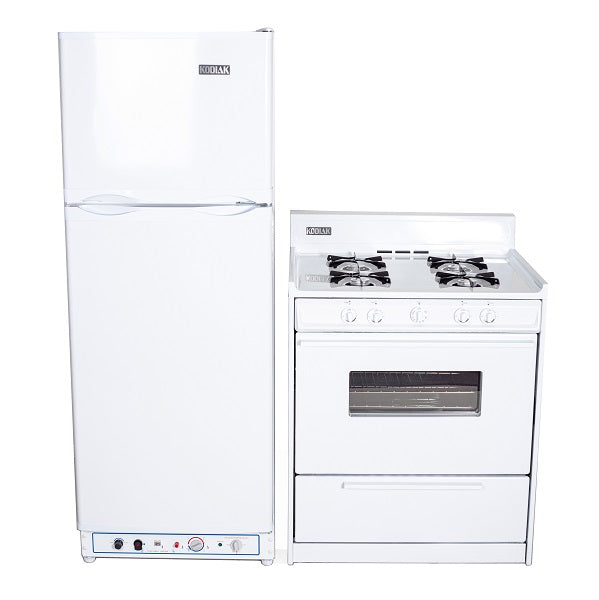
Specialty Appliances Ben's Discount has a huge selection of specialty appliances for home, vacation home, boats, rv's, cabins, and campgrounds. Propane (LP) gas, Natural Gas, Kerosene and outdoor refrigerators, and freezers are our specialty.